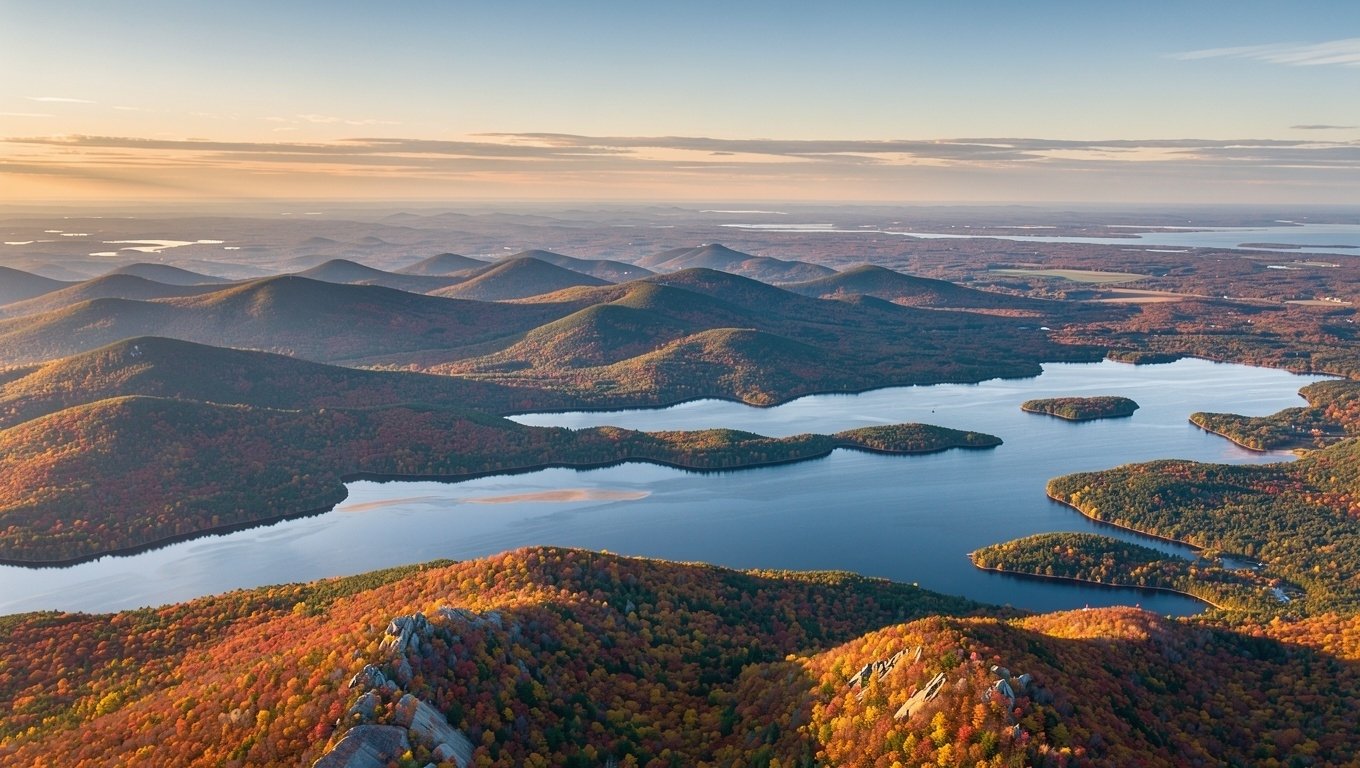
High aerial view of New Hampshire in autumn showing forested mountains, a large lake and distant ridges
Regions

New Hampshire's seven travel regions

Small state, very different landscapes. Here is how the pieces fit together, how far apart they are, and which one matches the trip you actually want.

Why regions beat "top ten" lists

New Hampshire is about 190 miles from the Massachusetts line to the Canadian border, and roughly 70 miles wide at its broadest. That sounds manageable, and it is — but the character of the place changes completely over short distances. An hour of driving takes you from a tidal estuary with 17th-century warehouses to a subalpine ridgeline where the trees stop at 4,000 feet.

So the useful question is not "what are the top attractions" but "which region am I basing myself in, and what does that unlock?" Pick one or two regions and go deep. Visitors who try to tick off all seven in a week spend it on Interstate 93.

Each region below has a full guide covering attractions, towns, lodging styles, outdoor options and what it looks like in each season.

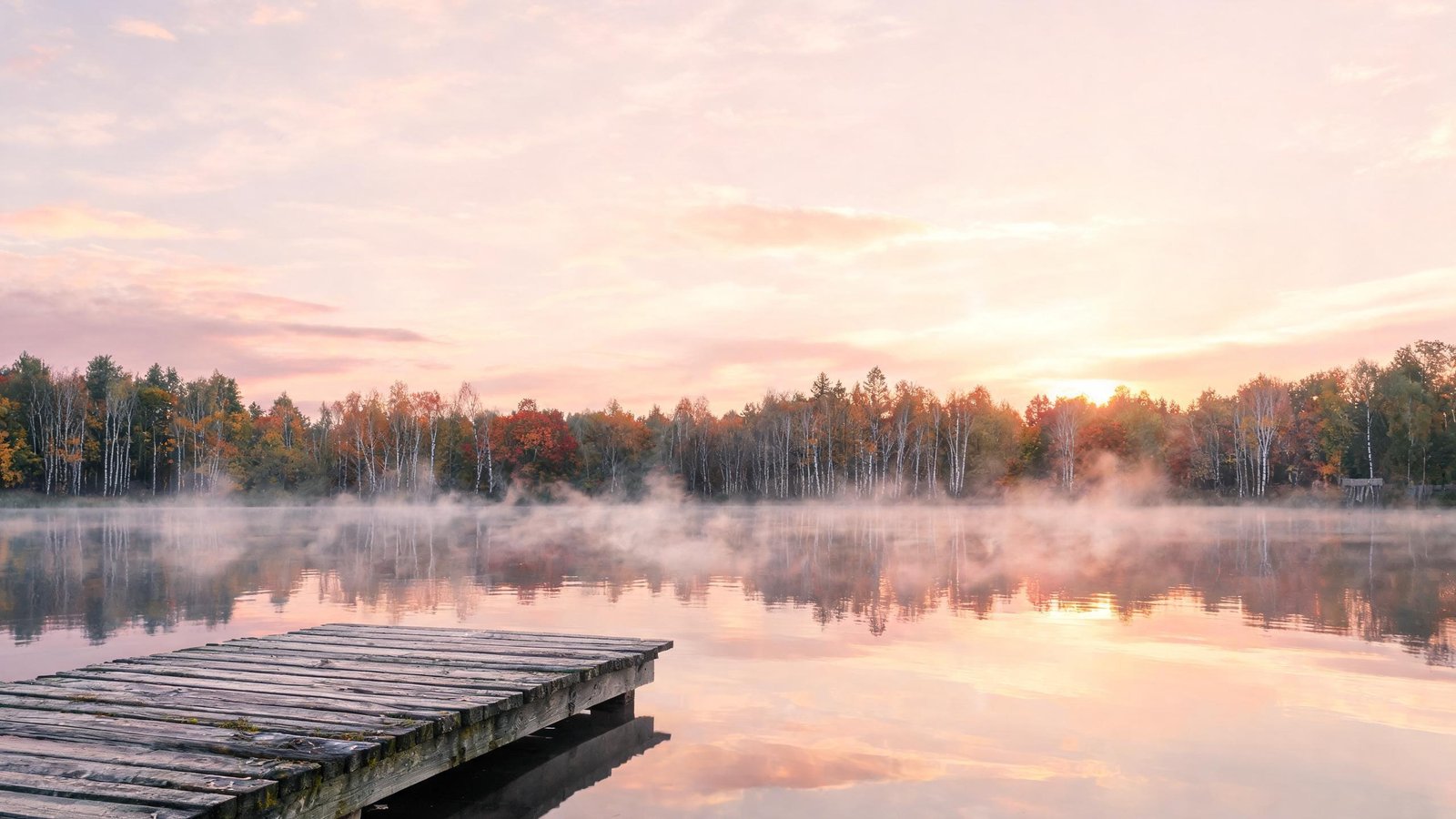
Calm New Hampshire lake at sunrise with mist drifting over glassy water and a weathered wooden dock
At a glance

Region comparison

Drive times are from the region's main town, assuming normal conditions. Winter and foliage weekends add considerably.

New Hampshire travel regions compared by landscape, base town and best season
RegionBase townFrom BostonBest monthsSuits
White MountainsLincoln / North Conway2 hrsJun–Oct, Jan–MarHiking, scenery, skiing
Lakes RegionMeredith / Wolfeboro1 hr 45Jun–SepBoating, families, slow days
SeacoastPortsmouth1 hrMay–OctFood, history, beaches
MonadnockKeene / Peterborough1 hr 30May–OctDay hikes, orchards, crafts
Dartmouth–Lake SunapeeHanover / New London2 hrsMay–OctCampuses, lake, culture
Merrimack ValleyConcord / Manchester1 hrYear-roundCities, tax-free retail
Great North WoodsColebrook / Pittsburg3 hrs 30Jun–Sep, Feb–MarWilderness, moose, solitude
North to south

Each region in detail

Region 01 · North

White Mountains

The state's centrepiece and the reason most people come. Forty-eight peaks above 4,000 feet, the Northeast's highest summit at Mount Washington, and three notches — Franconia, Crawford and Pinkham — that each deliver a different kind of drama.

Base in Lincoln for the western side (Flume Gorge, the Kancamagus Highway, Loon Mountain) or North Conway for the eastern side (Cathedral Ledge, Echo Lake, tax-free outlet shopping and the Conway Scenic Railroad).

Best for: hiking, summit drives, skiing, foliage. Avoid late October to mid-November if you want colour; the leaves are gone by then.

White Mountains guide
Region 02 · Central

Lakes Region

Lake Winnipesaukee is the anchor: 72 square miles of water, more than 250 islands, and a mailboat that has been delivering post since 1916. Around it sit quieter lakes — Squam, Newfound, Winnisquam — that feel a generation removed from the summer crowds.

Base in Meredith for a walkable waterfront with restaurants, Wolfeboro for the "oldest summer resort in America" feel, or Centre Harbor for the Squam Lake side and the science centre.

Best for: boating, swimming, family holidays, unhurried evenings. Shoulder season here is genuinely quiet.

Lakes Region guide
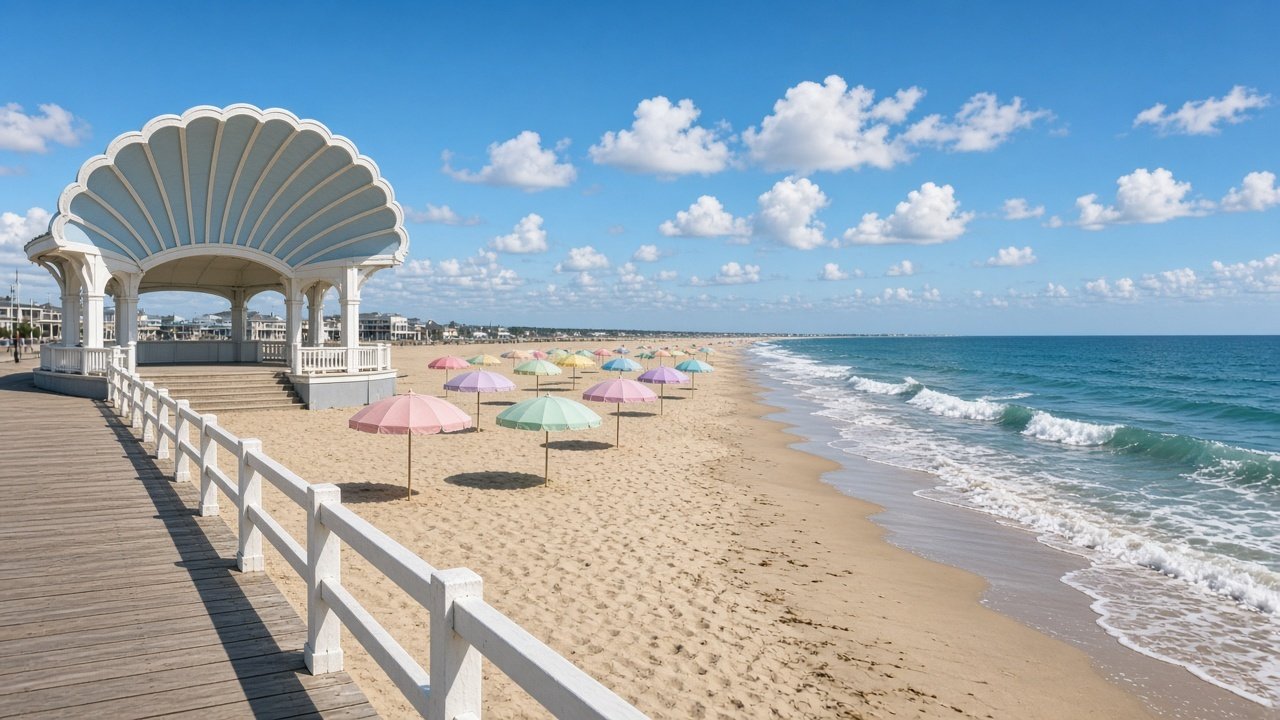
Hampton Beach boardwalk in summer with the seashell bandstand and wide sandy shore
Region 03 · East

Seacoast & Portsmouth

Eighteen miles of coastline, and it punches well above its length. Portsmouth is a working port with a compact 17th- and 18th-century core, a living history museum at Strawbery Banke, and a restaurant scene that draws people up from Boston for the evening.

South of town, Hampton Beach is the classic boardwalk-and-arcade strip. North, the road runs past Odiorne Point and into Kittery, Maine, where the outlet malls begin.

Best for: food, architecture, short breaks, a first or last night of a longer trip.

Seacoast guide
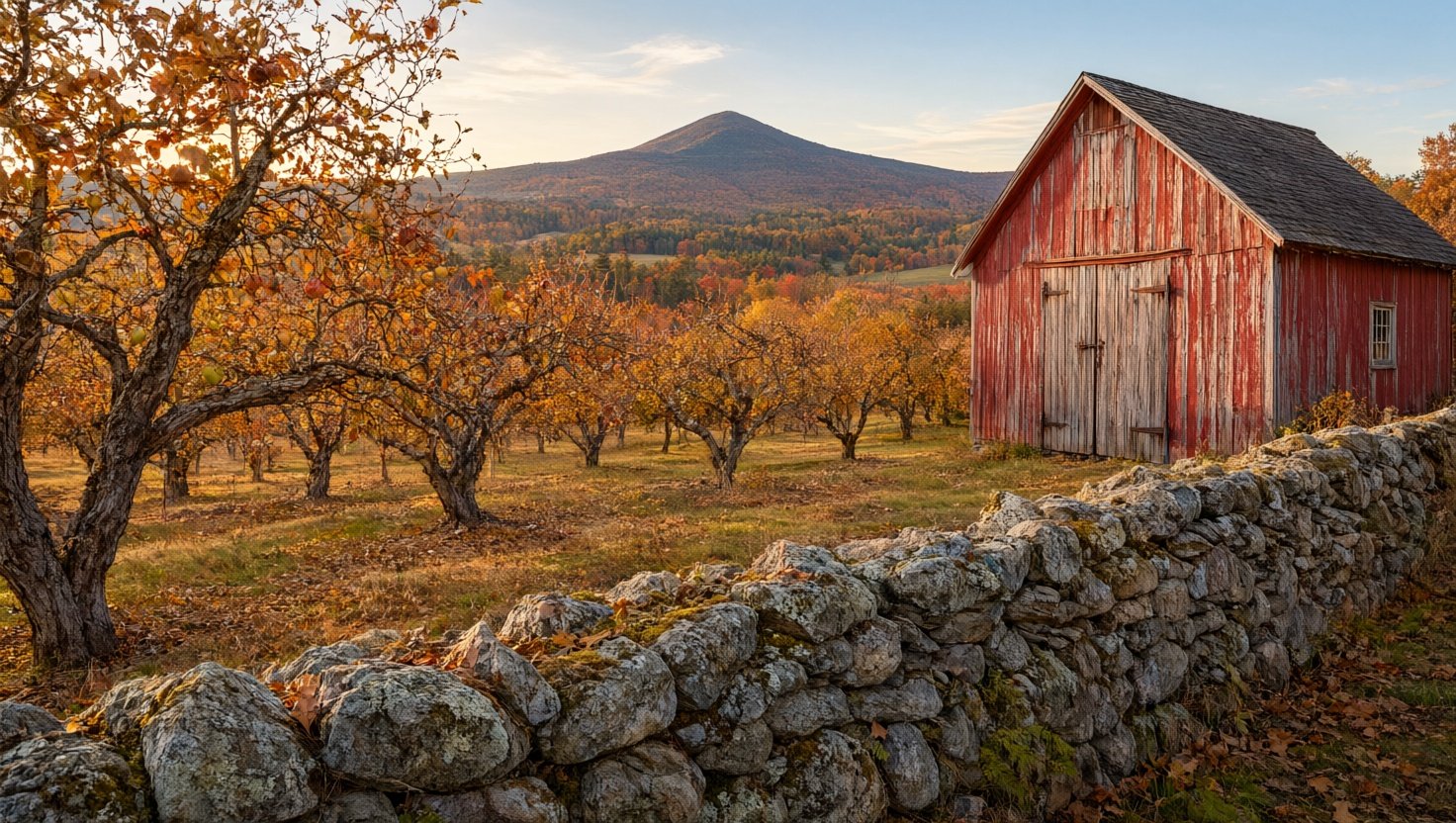
Apple orchard and dry-stone walls below Mount Monadnock in the Monadnock region of New Hampshire
Region 04 · Southwest

Monadnock Region

Named for the mountain that gave geology the word "monadnock" — an isolated peak rising above a worn-down plain. Mount Monadnock is often called one of the most-climbed mountains in the world, and on a summer weekend you will believe it.

This is also orchard country: apple picking, cider doughnuts, stone walls and small craft studios. Keene is the practical hub; Peterborough is the prettier one.

Best for: day hikes, autumn orchard trips, quiet weekends away from the interstate.

Monadnock Region guide
Region 05 · Upper Valley

Dartmouth–Lake Sunapee

The Connecticut River valley, where New Hampshire faces Vermont across a few hundred feet of water. Hanover is a genuine college town wrapped around Dartmouth's green, with a strong art museum and a walkable Main Street.

North and east, Lake Sunapee and Mount Sunapee offer a smaller, gentler version of the lakes-and-mountains combination, plus a ski hill that suits beginners and intermediates.

Best for: campus visits, museum afternoons, leaf-peeping without interstate traffic.

Dartmouth–Lake Sunapee guide
Region 06 · Central south

Merrimack Valley

The corridor most visitors drive straight through — and shouldn't entirely. Concord has a State House with a gold-leaf dome and a decent history museum. Manchester has the Millyard, a vast brick mill complex now full of tech offices, breweries and the SEE Science Center.

This is also where tax-free retail is most concentrated, which makes it a practical stop rather than a scenic one.

Best for: rainy days, museums, outlet shopping, a stopover en route north.

Merrimack Valley guide
Region 07 · Far north

Great North Woods

Above the White Mountains the state keeps going for another hour and a half, into working forest, the Connecticut Lakes and a lot of nothing in the best sense. Moose sightings are realistic at dusk on Route 3.

Colebrook is the last real town; Pittsburg is the end of the road. Services thin out fast, so fill the tank before you commit.

Best for: solitude, wildlife, snowmobiling, genuine remoteness.

Great North Woods guide
The same place, four ways

How the seasons redistribute the map

The region you should choose changes with the month far more than most first-time visitors expect. Foliage moves downhill, ski demand concentrates north, and summer pushes everyone toward water.

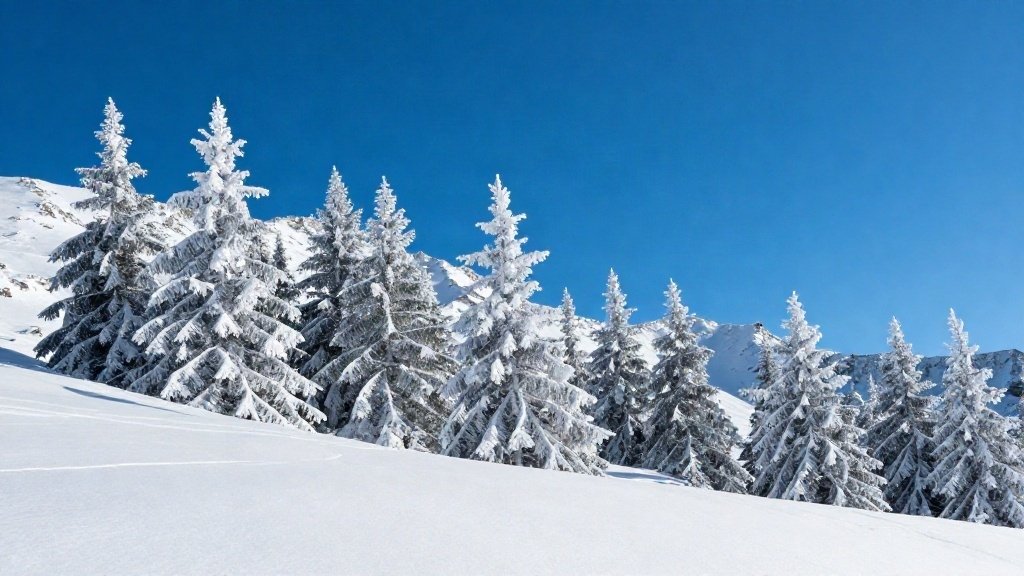
Snow-laden evergreen trees covering a mountain slope under a deep blue winter sky
Autumn

Colour runs downhill and south

Peak foliage hits the high White Mountains first, usually the last week of September. Then it moves down the slopes and south, reaching the Lakes Region in early October and the Seacoast around mid-month. Plan your region around your dates, not the other way round.

Foliage timing guide
Winter

Ski country concentrates north

Bretton Woods, Cannon, Loon and Attitash are all within an hour of each other. South of the notch country, Sunapee, Pat's Peak and Ragged serve day-trippers from Boston. Nordic centres and snowmobile trails extend into the Great North Woods.

Winter sports guide
Summer

Water wins, the mountains stay open

Lakes and the coast absorb most of July and August demand. The White Mountains are at their most accessible — long daylight, all trails open, summits usually clear in the morning — but afternoon thunderstorms are a real daily feature.

Summer guide
Spring

Mud season, then flow

Late March to April is sugaring season and waterfall season, with very few visitors. Trails above 2,500 feet stay snowy into May. Expect some closures and soft ground, and get the state's best hotel rates of the year.

Spring guide
Suggested pairings

Region combinations that work

3 days

White Mountains only

One base. Franconia Notch, a summit experience and the Kancamagus Highway. No repacking.

Lincoln → North Conway → home

5 days

Mountains + Lakes

Three nights in the Whites, two on Winnipesaukee. The classic first New Hampshire trip.

Lincoln → North Conway → Meredith

7 days

Grand loop

Whites, Great North Woods, Lakes and Seacoast in one circuit. Ambitious but satisfying.

Lincoln → Pittsburg → Meredith → Portsmouth

FAQ

Choosing a region

Which region is best for a first visit?

The White Mountains if you came for landscape, or the Seacoast if you would rather have towns, restaurants and history than altitude. Combining the Whites with a Lakes Region night covers the signature New Hampshire scenes in five days.

How far apart are the regions, really?

Most hops are 45 to 90 minutes. The exceptions: Boston to the White Mountains is about two hours, and the Great North Woods adds another 90 minutes above that. Driving the full length of Interstate 93 from the Massachusetts line to the Canadian border takes around four hours.

Can I do all seven in a week?

Technically yes, and it will not be much fun. Two bases over five days or three over seven is the sweet spot. Everything else turns into a driving holiday with occasional stops.

Where should I stay to avoid changing hotels?

Lincoln or North Conway gives you the White Mountains, the Kancamagus and the Lakes Region within reach. Portsmouth is the best single base for a short city-and-coast break, though it is a long way from the mountains.

Next: pick your season

The same region reads very differently in October and February. Check timing before you book.