Allow
Two to three hours
The site is compact but there is more interior access than you expect. Guided tours run through the day; the self-guided route takes about 90 minutes without stops.
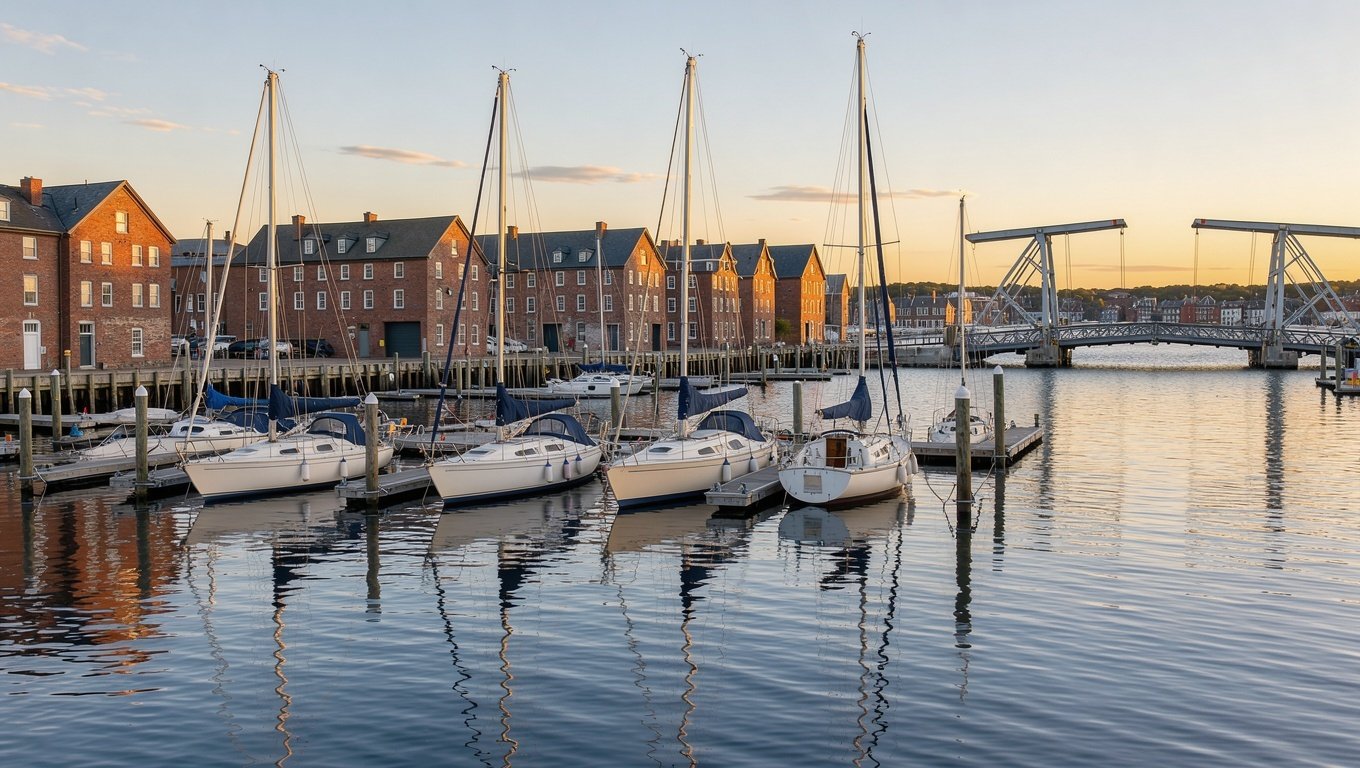
New Hampshire's coastline is short and it wastes none of it. A colonial port city, a boardwalk beach and a string of rocky headlands, all within half an hour of each other.
Settled in 1623 as Strawbery Banke, Portsmouth is one of the oldest continuously settled European communities in the United States — and unlike a lot of historic districts, it is a working city rather than a museum piece. The waterfront still handles ships; the streets north of Market Square still have their 18th-century scale.
What makes it work as a destination is the density. Within ten minutes' walk of Market Square you have a living history museum, four historic houses, a harbour park, and enough restaurants that choosing dinner takes genuine deliberation.
Start at Market Square and walk north along the waterfront. The Moffatt-Ladd House and Warner House are both open seasonally and both reward a look even from outside — the Warner House's painted murals are the oldest surviving in New England.
Prescott Park, at the southern end of the waterfront, hosts summer theatre and a famous dahlia display, and gives you the best free view across the Piscataqua to Maine.
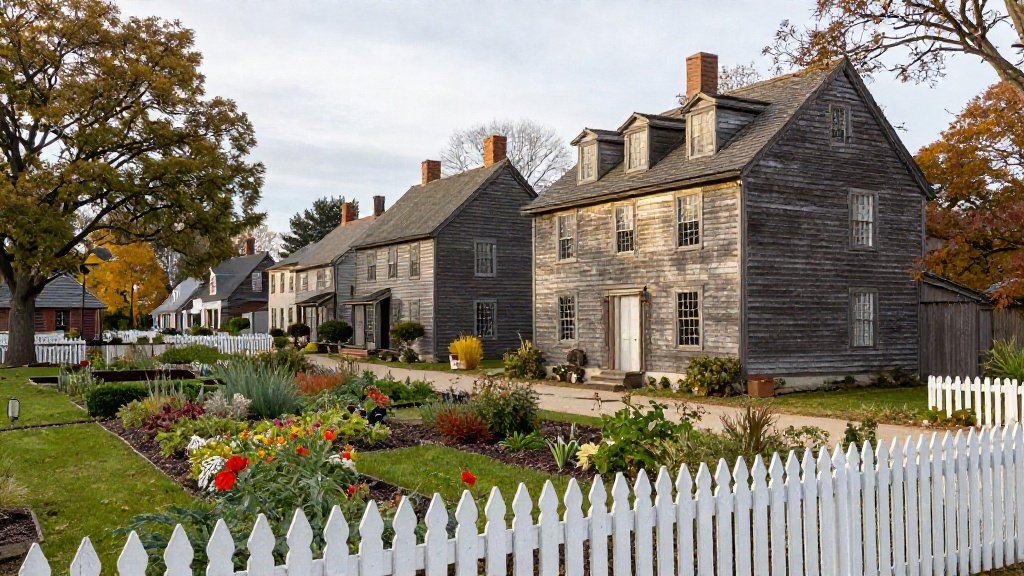
Ten acres, more than thirty buildings, and four centuries of occupation on one waterfront neighbourhood — including the people who lived here in the 20th century, which most house museums skip.
The site is compact but there is more interior access than you expect. Guided tours run through the day; the self-guided route takes about 90 minutes without stops.
The 1950s corner store, the working garden plots, and the Sherburne House — a 1695 structure where you can see how the building was modified over three centuries.
Open seasonally, generally May to October. Paths are gravel and mostly level, with some uneven thresholds in older structures. Tickets are cheaper online.
Hampton Beach is the state's bucket-and-spade capital: a wide sandy beach backed by a boardwalk, an arcade strip, a seashell bandstand and the kind of fried-food decision-making that holiday evenings were made for. In July and August it is busy and cheerful; in October it is windswept and nearly yours.
North of Hampton, Route 1A runs along the rocks through Rye and New Castle, past Odiorne Point State Park — the largest undeveloped stretch of shoreline in the state, with a science centre and the remains of a World War II coastal battery.
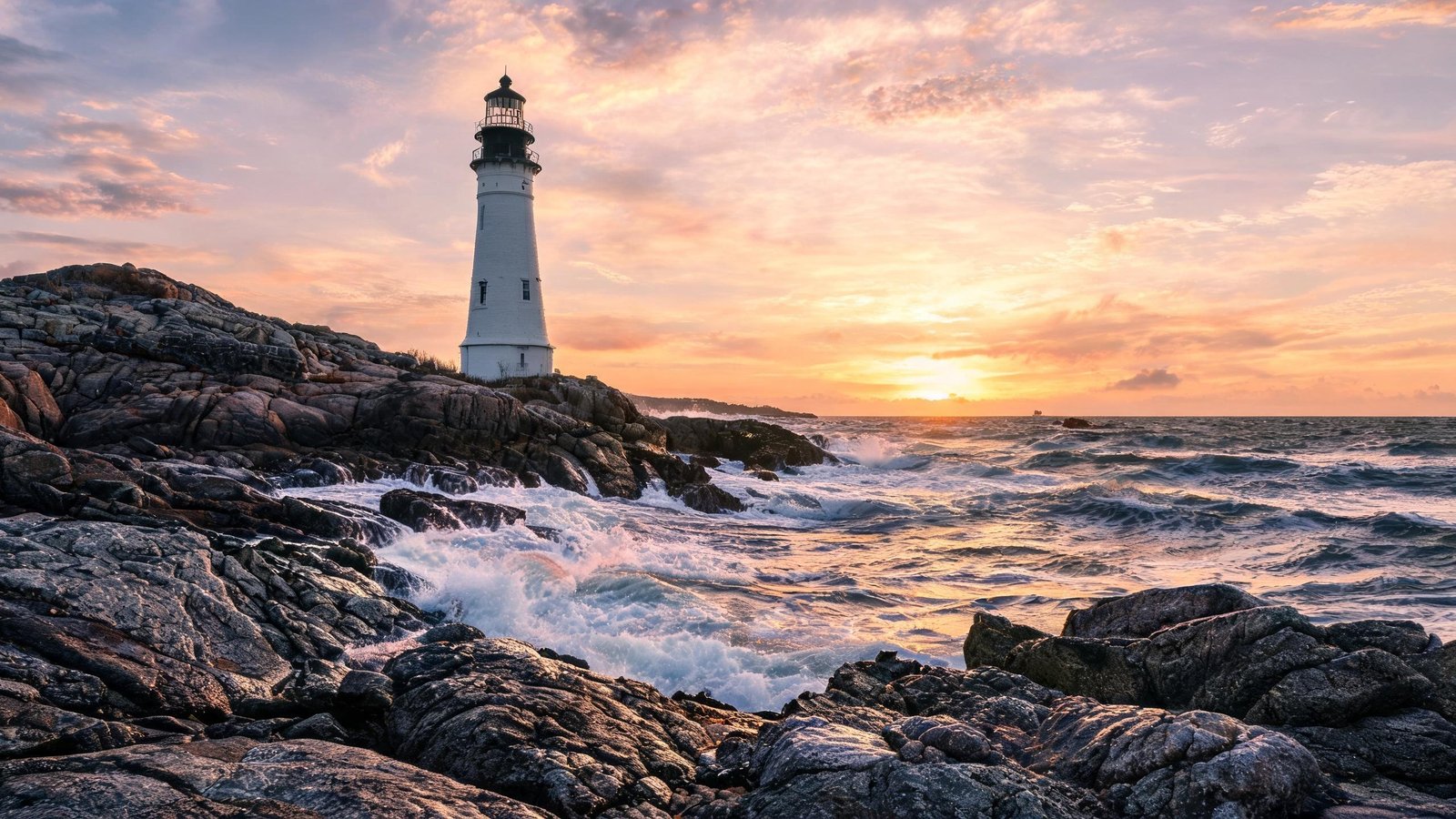
Portsmouth Harbor Light on the grounds of Fort Constitution, and Whaleback Light offshore at the mouth of the harbour — visible from the coast path but not visitable. Both are best at sunset from the Rye shore.
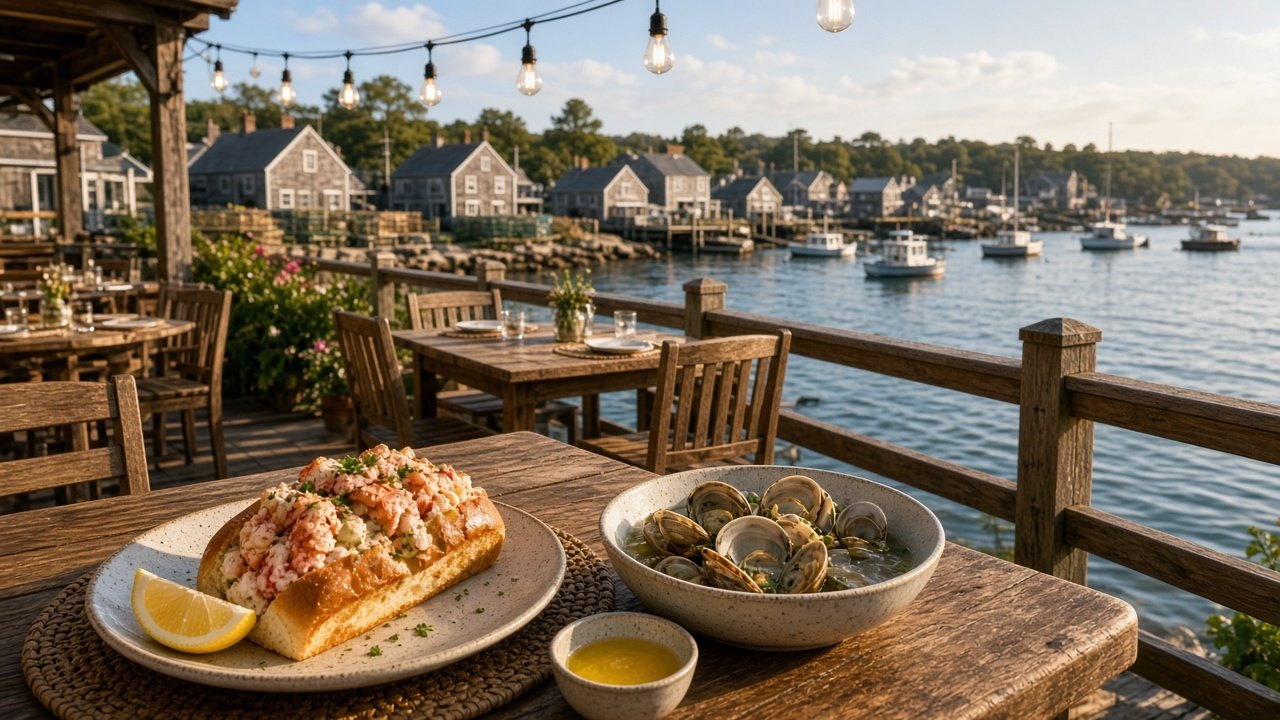
The lobster roll. Two schools: Maine-style with cold mayonnaise, or Connecticut-style with warm drawn butter. Both are served here, sometimes on the same menu, and residents will argue about it.
Steamers. Soft-shell clams steamed and served with broth and butter. Messy, sweet, and the thing locals order when the tourists order lobster.
New England fried clams — whole-belly, not strips. If a menu offers strips as the default, order the whole-belly.
Seafood chowder and haddock, which is the workhorse fish of the region and usually excellent.
Portsmouth's density is on and around State Street, Pleasant Street and the waterfront. Reservations are strongly advised on Friday and Saturday year-round, and effectively mandatory in summer.
| From | To | Time | Note |
|---|---|---|---|
| Portsmouth | Hampton Beach | 20 min | Route 1A is slower but prettier |
| Portsmouth | Kittery outlets (ME) | 10 min | Maine sales tax applies |
| Portsmouth | Boston | 1 hr | Frequent trains also run |
| Portsmouth | White Mountains | 2 hrs | Via I-93 |
| Portsmouth | Hanover | 1 hr 50 | Via I-89 |
| Hampton Beach | Boston | 50 min | Busiest Sunday afternoons in summer |
May, June and September are the sweet spot: everything open, weather good, crowds manageable.
July–August is peak beach season and downtown Portsmouth is genuinely crowded at weekends.
October is beautiful and quiet, with foliage arriving later here than in the mountains. January–March is cold and many beach businesses close, though Portsmouth stays alive.

Day one. Morning at Strawbery Banke while it is quiet, lunch in town, afternoon at Prescott Park and a walk through the North End's historic streets. Dinner in Portsmouth with a reservation.
Day two. Drive Route 1A south through Rye and New Castle, stop at Odiorne Point, then Hampton Beach for the afternoon. Back north through Kittery if you want the outlets, or straight to the airport if you are flying out.
If you have a third day, take the harbour cruise or head inland to the Merrimack Valley museums — or use the Seacoast as the first night of a longer state-wide route.
See full itinerariesYes, and it is one of the few places in the state that works equally well as a destination and as a base. The historic core is genuinely old, the food is genuinely good, and Hampton Beach is twenty minutes away if you want sand.
About 14 miles, or 20 minutes by car. Route 1A along the shore takes longer but is worth it on a clear day.
Anywhere in New Hampshire, including downtown Portsmouth — there is no state sales tax. Kittery, Maine, ten minutes north, has the big outlet centres, but Maine does charge sales tax, so compare total prices rather than assuming.
Portsmouth Harbor Light sits on the Fort Constitution grounds and can be viewed from outside. Whaleback Light is offshore and not accessible. Both are best photographed from the Rye shoreline at sunset.
For Portsmouth alone, no — there is a train from Boston and the centre is walkable. For Hampton Beach and the coastal road, yes. Parking in downtown Portsmouth is limited, so use the garages on Hanover and Pleasant Street.
The Seacoast is an hour from Boston and two from the White Mountains — an easy first or last stop.