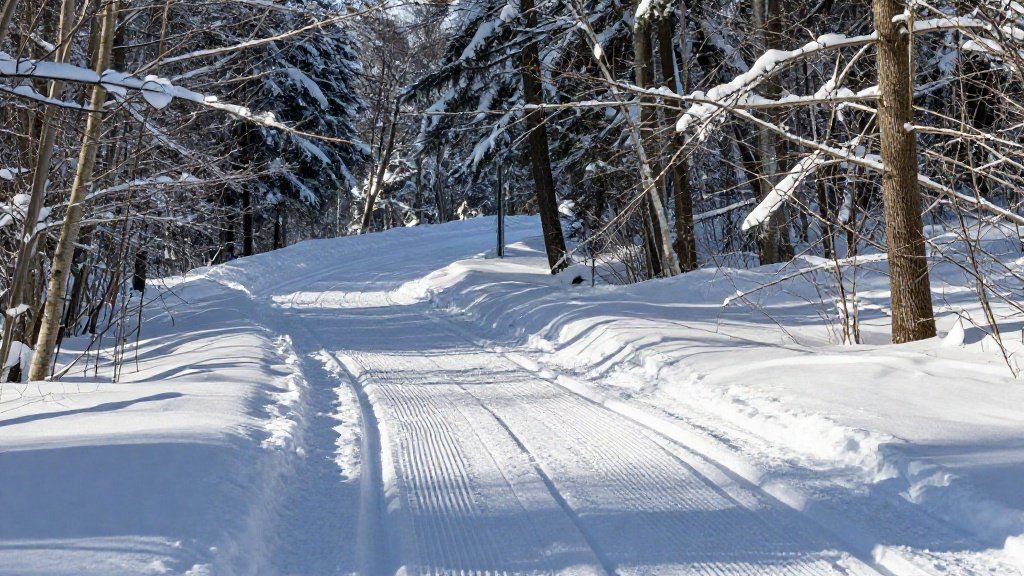
Nordic
Cross-country skiing
Groomed centres at Great Glen Trails, Jackson, Bretton Woods and Waterville Valley, with rentals and instruction. Easier on the knees than alpine and considerably quieter.
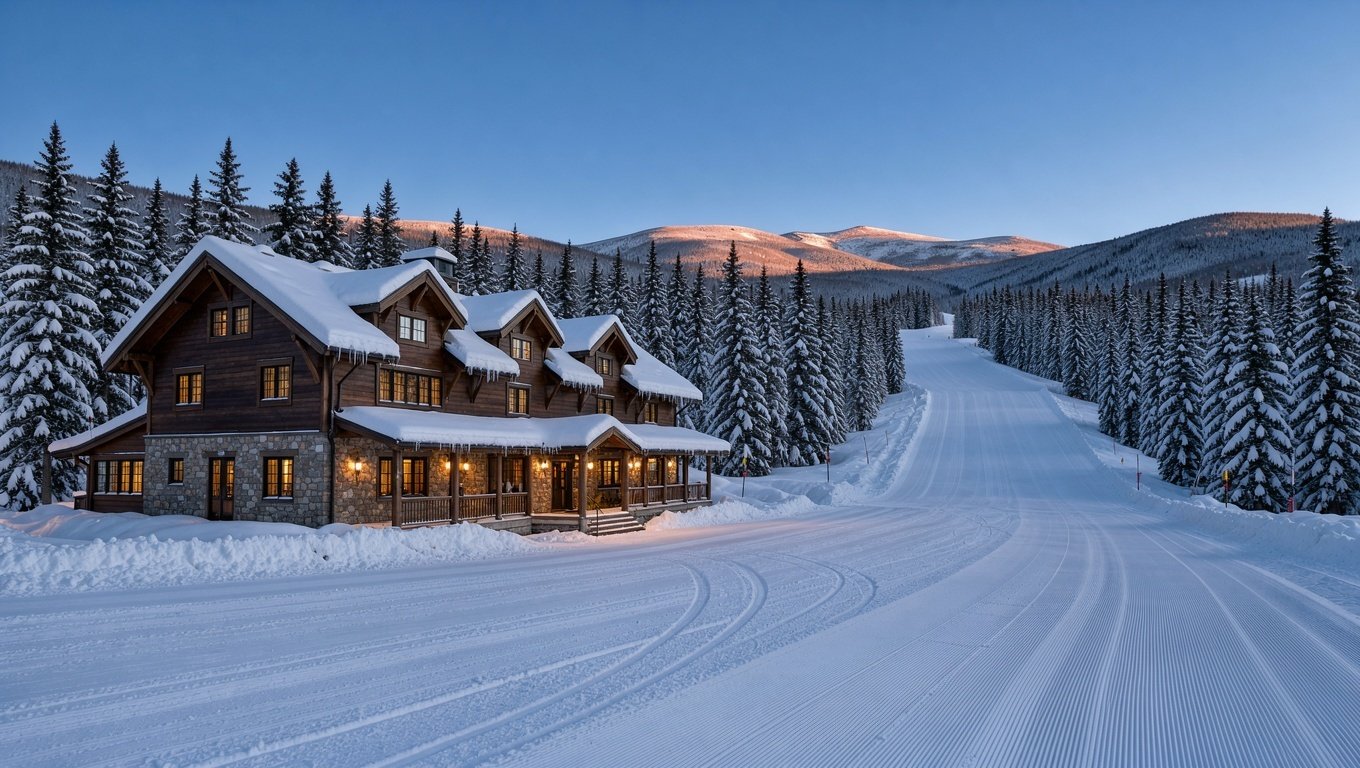
New Hampshire has a dozen alpine areas within an hour of each other, and they are not interchangeable. Here is how to choose, plus what to do if you don't ski at all.
Terrain figures change with conditions and investment, so treat the character descriptions as the reliable part.
| Resort | Region | Best for | Character |
|---|---|---|---|
| Bretton Woods | Crawford Notch | Beginners, families | The most forgiving terrain in the state, wide groomers, excellent learning area, and the grand hotel at the base. |
| Loon Mountain | Lincoln | Intermediates, groups | Direct off I-93, big vertical, good park scene, and the most convenient base for the western Whites. |
| Cannon Mountain | Franconia Notch | Experts | Steep, cold, often icy, and consistently rated among the most challenging terrain in the East. Aerial tramway access. |
| Attitash | Bartlett | Intermediates, families | Two connected mountains, a good spread of blues, and close to North Conway for lodging and food. |
| Wildcat | Pinkham Notch | Strong intermediates, views | The best view of Mount Washington from any lift in the state. Steep upper pitches and a long season. |
| Mount Sunapee | Lake Sunapee | Day-trippers, beginners | Easy access from Boston, well-groomed, good for a first season or a family day. |
| Waterville Valley | White Mountains | Families | A self-contained resort village with everything walkable; good for a ski week without a car each day. |
| Cranmore | North Conway | Intermediates, families | Steep learning curve at the top, gentle at the base, with a strong ski school. |
Complete beginners. Bretton Woods first, then Sunapee or Waterville. Wide, groomed, uncrowded lower slopes make the first two days dramatically better.
Improving intermediates. Loon and Attitash give you enough variety to progress without being punished. Cranmore is a good third option with a strong ski school.
Confident skiers. Cannon and Wildcat. Cannon in particular is genuinely hard — it is icy, it is cold, and the terrain is steeper than its vertical suggests. That is the appeal.
One practical note: New Hampshire skiing is often firm. The state gets reliable snow but also freeze-thaw cycles, so edge grip matters more than float. Demo skis with a proper tune are worth the money on an icy week.
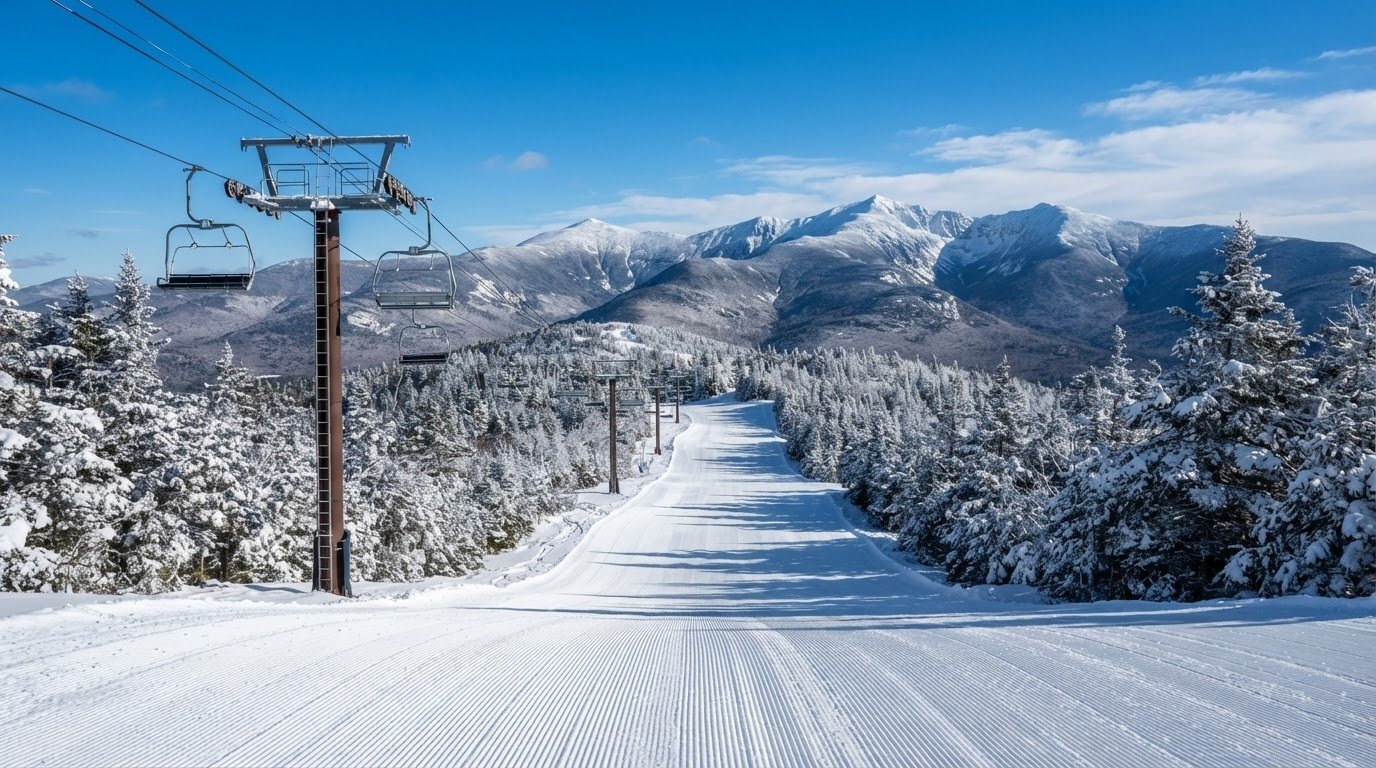
Groomed centres at Great Glen Trails, Jackson, Bretton Woods and Waterville Valley, with rentals and instruction. Easier on the knees than alpine and considerably quieter.
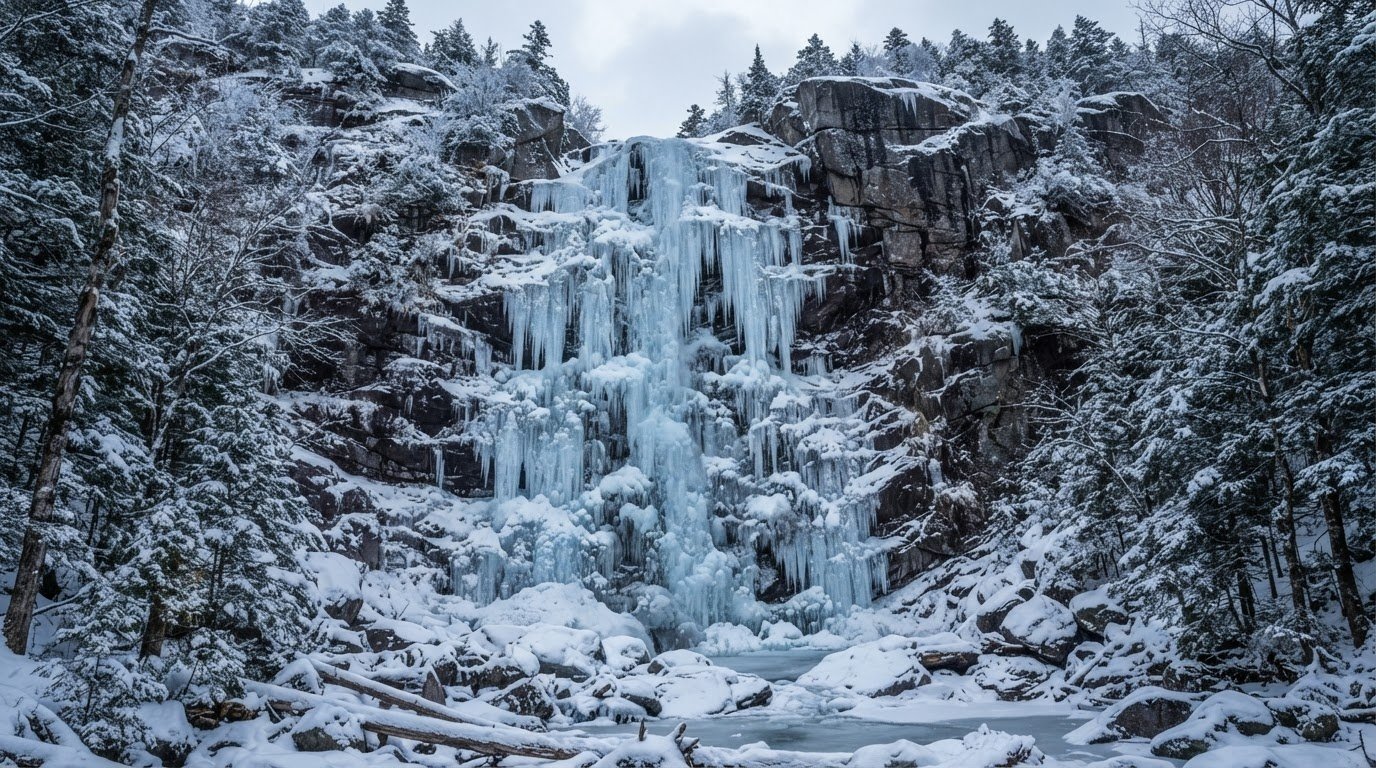
Frankenstein Cliff in Crawford Notch and the flume areas are established routes. Go with a guide unless you already have winter alpine experience — conditions change daily.
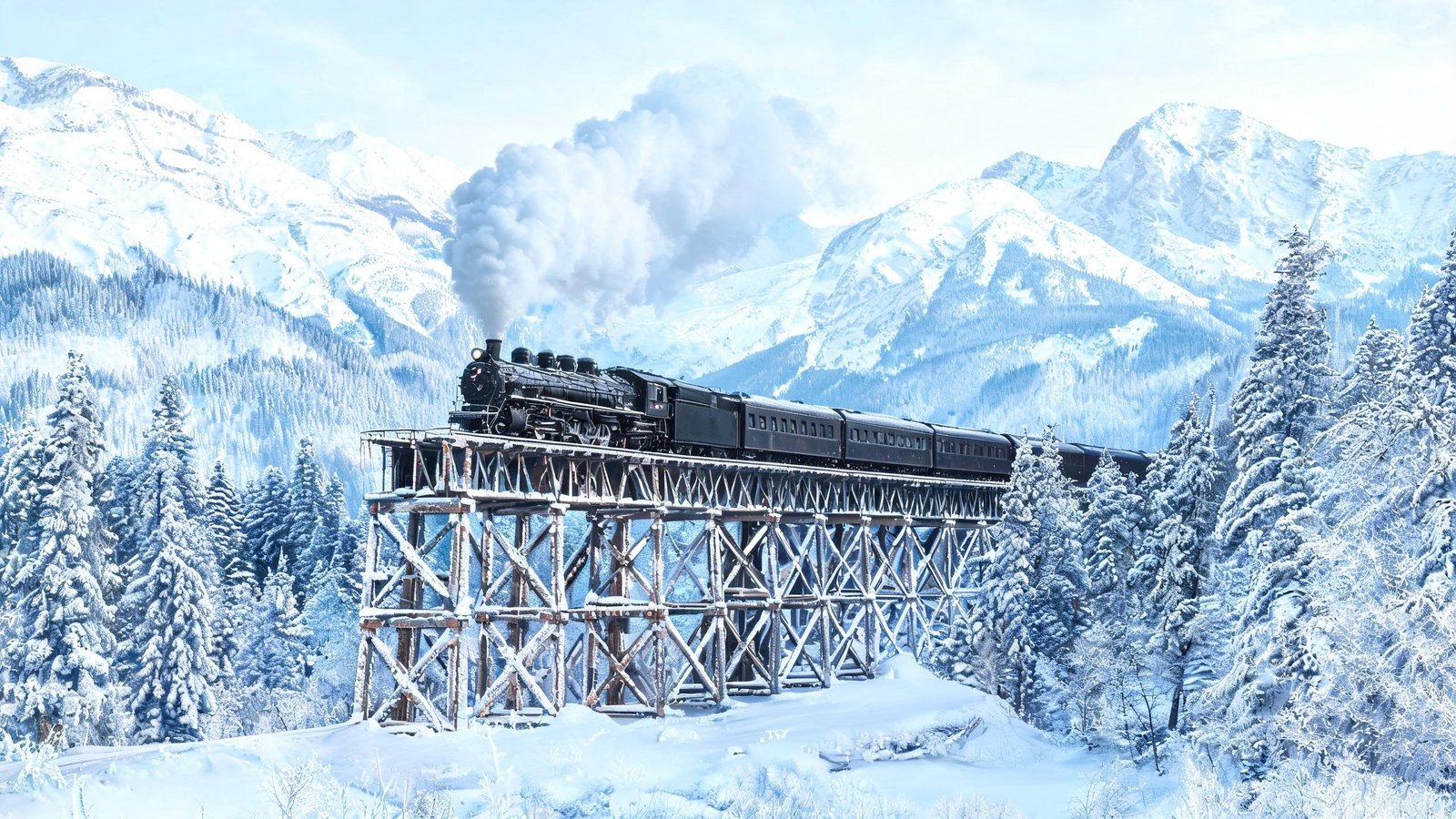
The Cog Railway runs winter trips partway up Mount Washington — the only mechanised way into the alpine zone when the road is closed.
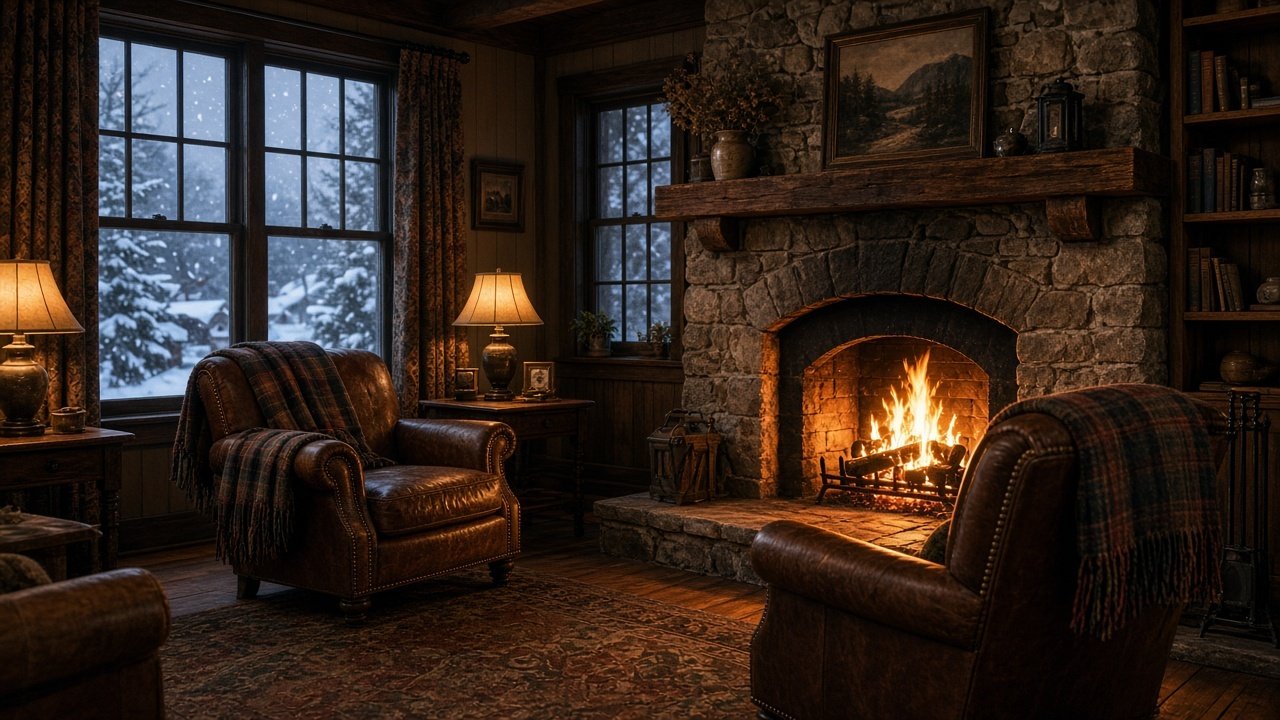
Many country inns run winter packages with breakfast, a fireplace and no expectation that you ski. North Conway and Jackson have the best concentration.
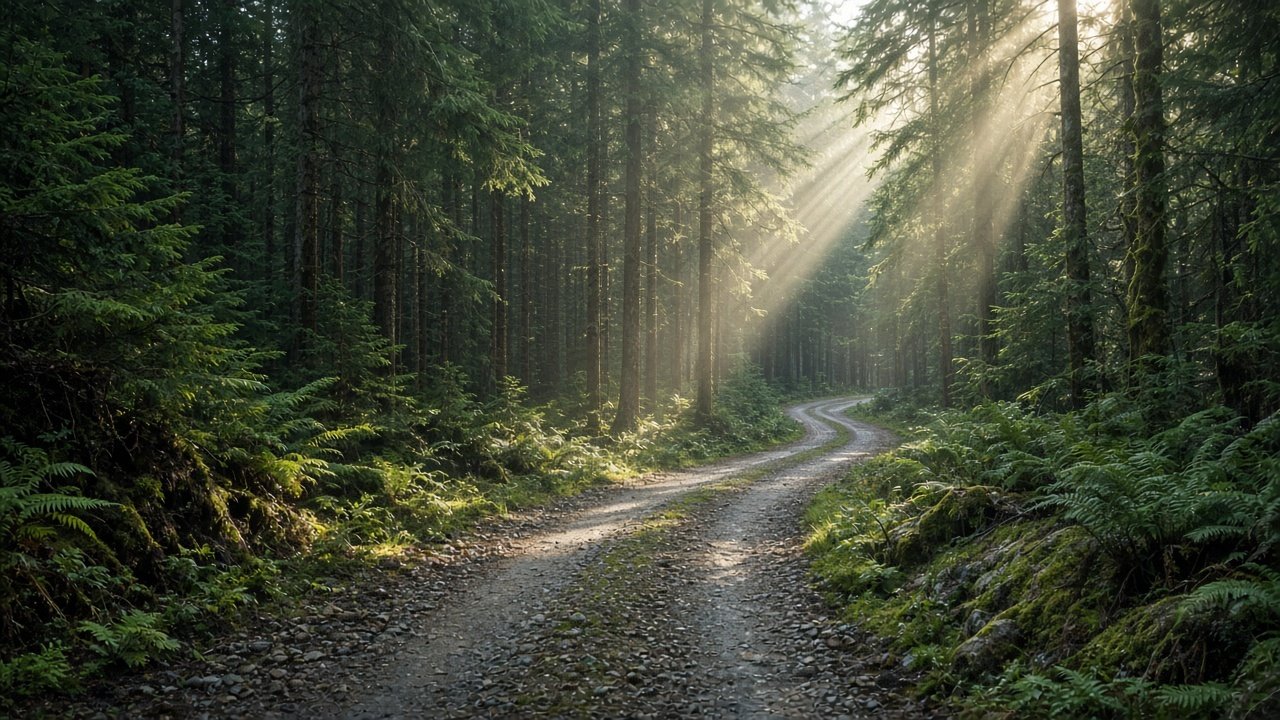
The Great North Woods has an extensive signed trail network and rental outfitters. It is the region's peak season — lodges fill in February and March.
Region guide
Any trail becomes a snowshoe route. Rental is cheap and the state forest network is vast. Stay off dedicated nordic tracks, which are ruined by foot traffic.
Winter or all-season tyres are strongly advised from December through March. The notches — Franconia, Crawford and Pinkham — can be genuinely treacherous in a storm, and some side roads are not promptly ploughed.
Carry a scraper, a blanket, water and a bag of grit or sand. Keep the tank above half. Mountain fuel stations are sparse and some close early.
Layers, not a single heavy coat. A waterproof shell over insulation, gloves that actually keep your hands warm, and goggles for windy days. Hand warmers are not a luxury here.
Christmas week, Martin Luther King weekend and Presidents' week are the three busiest periods and prices reflect it. Late January and early March are quieter with similar conditions.
Resorts open on snowmaking. Limited terrain, thin cover off-piste, festive atmosphere and lower prices.
The coldest month. Excellent snowmaking conditions, small crowds midweek, and the best value of the season.
Deepest natural snow base and reliable coverage everywhere. Also the busiest, especially school holidays.
Longer days, warmer temperatures, still-deep snow. Many regulars consider March the best month to ski here.
Bretton Woods, comfortably. It has the widest, most forgiving lower slopes and a well-run learning programme. Mount Sunapee and Waterville Valley are good alternatives, especially from Boston.
Most areas open between late November and mid-December on snowmaking, and close in early to mid-April. Natural snow typically peaks in February and March.
Strongly advised from December to March. M+S rated all-season tyres are the minimum. Chains are rarely needed on main roads but helpful on steep unpaved drives.
Plenty: snowshoeing, nordic centres, the Cog Railway snow train, inns with fireplaces, outlet shopping in North Conway, and the museums in Concord and Manchester. See Merrimack Valley.
Yes — many locals consider it the best month. Snow base is at its deepest, days are longer, temperatures are more comfortable, and crowds are thinner than February.
New Hampshire is a four-season state — the other three are worth planning too.